
Key Takeaway:International travel planning requires careful attention to safety protocols, health precautions, and cultural awareness. This comprehensive guide provides essential guidelines to help you navigate unfamiliar destinations with confidence and peace of mind.
Traveling internationally opens doors to incredible experiences, new cultures, and unforgettable memories. However, ensuring your safety while exploring unfamiliar destinations requires careful planning and awareness. Whether you're embarking on a business trip, family vacation, or solo adventure, following essential safety guidelines can make the difference between a smooth journey and unexpected challenges.
Pre-Departure Preparation
Proper preparation before your trip is the foundation of safe international travel. Taking time to organize your documents, research your destination, and prepare for potential challenges will significantly enhance your travel experience.
Document Management and Verification
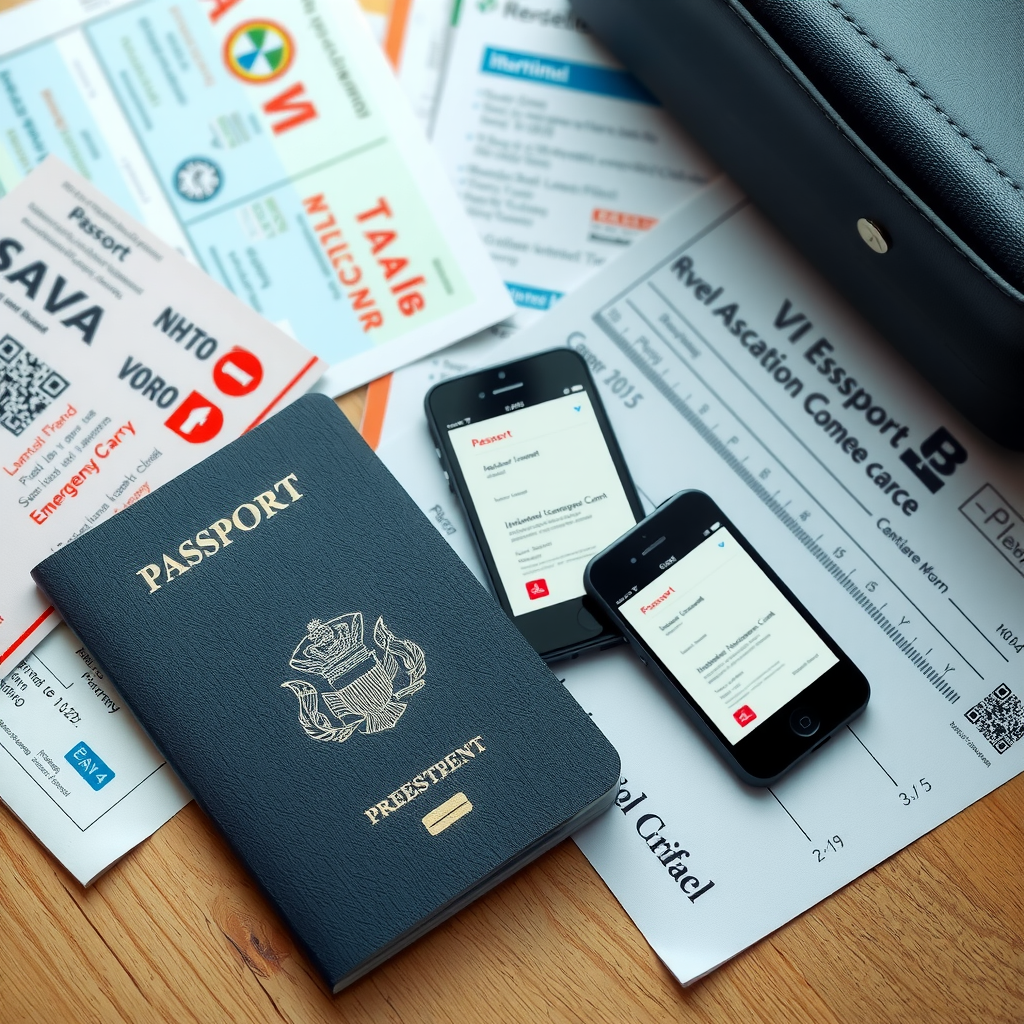
Your passport is your most important travel document. Verify that it's valid for at least six months beyond your planned return date, as many countries enforce this requirement. Check visa requirements for your destination well in advance, as processing times can vary significantly. Some countries offer visa-on-arrival services, while others require advance application through embassies or consulates.
Create multiple copies of all important documents, including your passport, visa, travel insurance, flight tickets, and hotel reservations. Store physical copies separately from originals, and maintain digital copies in secure cloud storage accessible from any device. Share these copies with a trusted family member or friend who can assist in case of emergency.
Essential Documents Checklist
- Valid passport with at least 6 months validity
- Visa or entry permits for destination countries
- Comprehensive travel insurance documentation
- Vaccination certificates and health records
- Emergency contact information
- Credit cards and backup payment methods
- Hotel confirmations and itinerary details
- International driving permit (if planning to drive)
Health Precautions and Medical Preparation
Health preparation is crucial for international travel planning. Schedule a consultation with a travel medicine specialist or your healthcare provider at least 4-6 weeks before departure. Different destinations require specific vaccinations, and some immunizations need multiple doses administered over several weeks.

Research health risks specific to your destination, including endemic diseases, water quality, and food safety concerns. Pack a comprehensive first-aid kit including prescription medications in original containers, over-the-counter remedies for common ailments, and any specialized medical supplies you might need. Carry a letter from your doctor explaining any prescription medications, especially if they contain controlled substances.
Invest in comprehensive travel insurance that covers medical emergencies, evacuation, and repatriation. Standard health insurance often doesn't cover international medical expenses, and emergency medical evacuation can cost tens of thousands of dollars. Verify that your policy covers adventure activities if you plan to participate in sports or outdoor adventures.
Destination Research and Cultural Awareness
Understanding your destination's culture, customs, and current situation is essential for safe and respectful travel. Thorough research helps you avoid unintentional cultural offenses and navigate local customs with confidence.
Safety and Security Assessment
Check your government's travel advisory website for current safety information about your destination. These resources provide updated information about political stability, crime rates, natural disaster risks, and health concerns. Register your trip with your embassy or consulate, which enables them to contact you in case of emergency and provide assistance if needed.

Research common scams targeting tourists in your destination. Awareness of typical fraud schemes helps you recognize and avoid them. Learn about safe neighborhoods and areas to avoid, especially after dark. Understand local transportation options and identify reputable taxi services or ride-sharing apps available in the area.
Cultural Customs and Local Laws
Every country has unique cultural norms and legal requirements that visitors must respect. Research dress codes, particularly for religious sites and conservative areas. Some countries have strict modesty requirements, while others are more relaxed. Understanding and respecting these norms demonstrates cultural sensitivity and helps you avoid unwanted attention.
Learn basic phrases in the local language, including greetings, thank you, and emergency terms. Even minimal language effort shows respect and can significantly improve interactions with locals. Download translation apps that work offline, as internet connectivity may be limited in some areas.
Cultural Awareness Tips
- Research appropriate dress codes for different settings
- Understand local dining etiquette and tipping customs
- Learn about photography restrictions at religious or government sites
- Respect local customs regarding public displays of affection
- Be aware of gesture meanings that differ across cultures
- Understand business hours and holiday schedules
- Research alcohol and drug laws, which vary significantly
During Your Journey
Once you've arrived at your destination, maintaining awareness and following safety protocols ensures a secure and enjoyable experience throughout your trip.
Accommodation Safety

Upon checking into your accommodation, familiarize yourself with emergency exits and evacuation procedures. Test door locks and window security, and use additional security devices like door wedges or portable locks if needed. Store valuables in the room safe or hotel security deposit box, never leaving expensive items visible in your room.
Keep your room number private and avoid discussing it in public areas. Use the door viewer before opening your door, and don't admit anyone you haven't requested. If someone claims to be hotel staff, verify their identity by calling the front desk before allowing entry.
Personal Security and Situational Awareness
Maintain awareness of your surroundings at all times. Avoid displaying expensive jewelry, electronics, or large amounts of cash that might attract unwanted attention. Keep your belongings secure and within sight, using anti-theft bags with slash-resistant materials and locking zippers when possible.
Trust your instincts if a situation feels uncomfortable or unsafe. It's better to appear overly cautious than to ignore warning signs. Avoid walking alone in unfamiliar areas after dark, and stick to well-lit, populated streets. When using ATMs, choose machines in secure locations like banks or shopping centers, and shield your PIN entry.

Transportation Safety
Use only licensed, reputable transportation services. Research safe taxi companies or ride-sharing apps before arrival, and avoid unmarked vehicles or drivers who approach you unsolicited. When using public transportation, keep valuables secure and be especially vigilant during crowded rush hours when pickpockets are most active.
If renting a vehicle, familiarize yourself with local driving laws and road conditions. Keep doors locked and windows up, especially in urban areas or when stopped at traffic lights. Park in well-lit, secure areas, and never leave valuables visible in the vehicle.
Food and Water Safety
Foodborne illness can quickly ruin a trip. In areas with questionable water quality, drink only bottled water with sealed caps, and use it for brushing teeth as well. Avoid ice in drinks unless you're certain it's made from purified water. Choose restaurants that appear clean and busy with locals, as high turnover indicates fresh food.
Be cautious with street food, though it can be safe and delicious when vendors maintain proper hygiene. Look for vendors with clean preparation areas and cooked-to-order items. Avoid raw or undercooked foods, unpasteurized dairy products, and pre-cut fruits that may have been washed in contaminated water.
Daily Safety Practices
- Share your daily itinerary with someone back home
- Keep emergency contact numbers easily accessible
- Carry a charged phone with local emergency numbers saved
- Keep small amounts of local currency in multiple locations
- Photograph important documents and store digitally
- Stay connected through regular check-ins with family
- Avoid discussing travel plans with strangers
- Keep hotel contact information with you at all times
Digital Security and Communication
In our connected world, protecting your digital information while traveling is as important as physical security. Cyber threats can compromise your personal data, financial information, and privacy.
Internet and Device Security
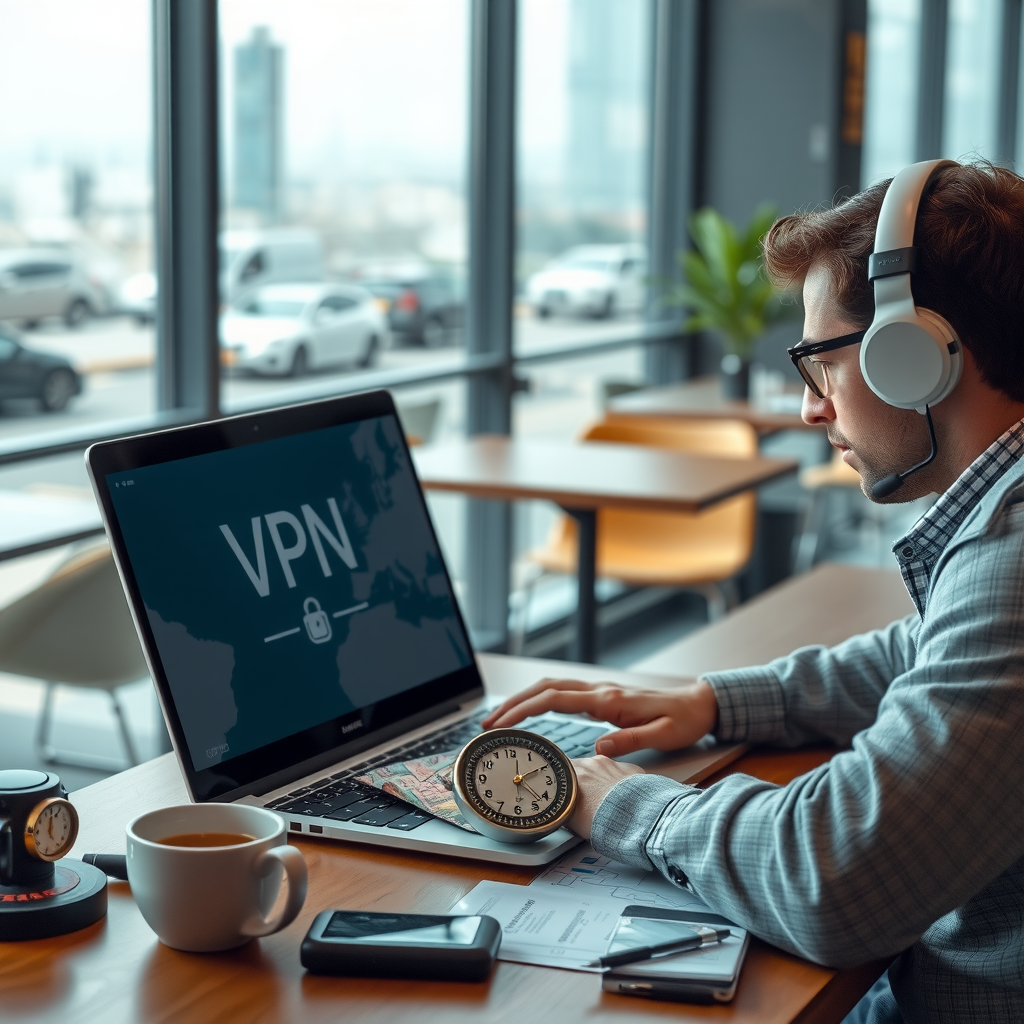
Avoid using public Wi-Fi networks for sensitive transactions like online banking or shopping. If you must use public Wi-Fi, employ a virtual private network (VPN) to encrypt your internet connection. Keep your devices' operating systems and security software updated before traveling, and enable automatic updates if possible.
Use strong, unique passwords for all accounts, and enable two-factor authentication wherever available. Consider using a password manager to securely store credentials. Be cautious about what you share on social media during your trip, as posting real-time location information can alert others that your home is unoccupied.
Communication and Connectivity
Ensure you have reliable communication methods throughout your trip. Research international roaming options with your mobile carrier, or consider purchasing a local SIM card upon arrival. Download offline maps and translation apps before traveling, as they'll function without internet connectivity.
Keep a list of emergency contacts including your country's embassy or consulate, local emergency services, your travel insurance provider, and credit card companies. Save these numbers in your phone and keep a written copy in your luggage. Establish a communication plan with family or friends, including regular check-in times.
Emergency Preparedness
Despite careful planning, emergencies can occur. Being prepared to handle unexpected situations minimizes their impact and helps you respond effectively.
Medical Emergencies

Know how to access medical care in your destination. Research the location of quality hospitals or clinics near your accommodation, and understand how to contact emergency medical services. Keep your travel insurance information readily accessible, including policy numbers and emergency assistance phone numbers.
If you have pre-existing medical conditions, wear a medical alert bracelet and carry a letter from your doctor explaining your condition and medications. Bring extra prescription medications in case of travel delays, and keep them in original containers with pharmacy labels.
Lost or Stolen Documents
If your passport is lost or stolen, report it immediately to local police and your embassy or consulate. Having copies of your passport and other documents will expedite the replacement process. Your embassy can issue emergency travel documents to help you return home.
For lost or stolen credit cards, contact your card issuer immediately to prevent fraudulent charges. Keep card issuer contact numbers separate from your cards. Consider carrying a backup credit card from a different issuer and keeping it in a separate location from your primary cards.
Natural Disasters and Political Unrest
Stay informed about local conditions through news sources and your embassy's communications. In case of natural disasters, follow local authorities' instructions and evacuation orders. Know your hotel's emergency procedures and evacuation routes.
If political unrest occurs, avoid demonstrations and large gatherings, which can turn violent unexpectedly. Stay in your accommodation if advised, and maintain contact with your embassy. Have an evacuation plan and keep important documents and essentials packed and ready to go if necessary.
Emergency Contact Information
Keep these essential contacts readily available:
- Local emergency services number (equivalent to 911)
- Your country's embassy or consulate
- Travel insurance emergency assistance
- Credit card company fraud departments
- Hotel or accommodation contact information
- Trusted local contact or tour operator
- Family or friend emergency contact back home
Returning Home Safely
Your safety considerations don't end when you board your return flight. Taking proper precautions during your journey home and upon arrival ensures a complete safe travel experience.
Airport and Flight Security

Arrive at the airport with plenty of time for security screening and customs procedures. Keep valuables and important documents in your carry-on luggage, never in checked bags. Be aware of your surroundings in airports, and don't accept packages or items from strangers to carry on their behalf.
During the flight, keep your passport and boarding pass secure but accessible. Stay hydrated and move around periodically on long flights to prevent deep vein thrombosis. Follow all crew instructions and safety procedures.
Post-Travel Health Monitoring
Monitor your health for several weeks after returning home, especially if you visited areas with endemic diseases. Some illnesses have incubation periods and may not manifest symptoms immediately. If you develop fever, unusual symptoms, or feel unwell after international travel, inform your healthcare provider about your travel history.
Review your credit card and bank statements for any unauthorized charges that may have occurred during your trip. Change passwords for accounts you accessed while traveling, especially if you used public Wi-Fi networks. Update your emergency contacts about your safe return.
Conclusion
International travel planning offers incredible opportunities for personal growth, cultural exchange, and unforgettable experiences. By following these comprehensive safety guidelines, you can minimize risks and focus on enjoying your journey. Remember that preparation is key—the time invested in planning and precautions pays dividends in peace of mind and security throughout your trip.
Stay informed, remain aware of your surroundings, trust your instincts, and don't hesitate to seek help when needed. With proper preparation and mindful practices, you can navigate unfamiliar destinations confidently and create lasting memories of your international adventures. Safe travels!
Ready to Plan Your Next Adventure?
Our experienced travel advisors can help you plan a safe and memorable international journey tailored to your interests and comfort level.